Book-to-movie adaptations transform how audiences experience a story. Project Hail Mary, originally written by Andy Weir, demonstrates these differences through its shift in narration, pacing, and science content. However, these changes are what make the movie so successful.
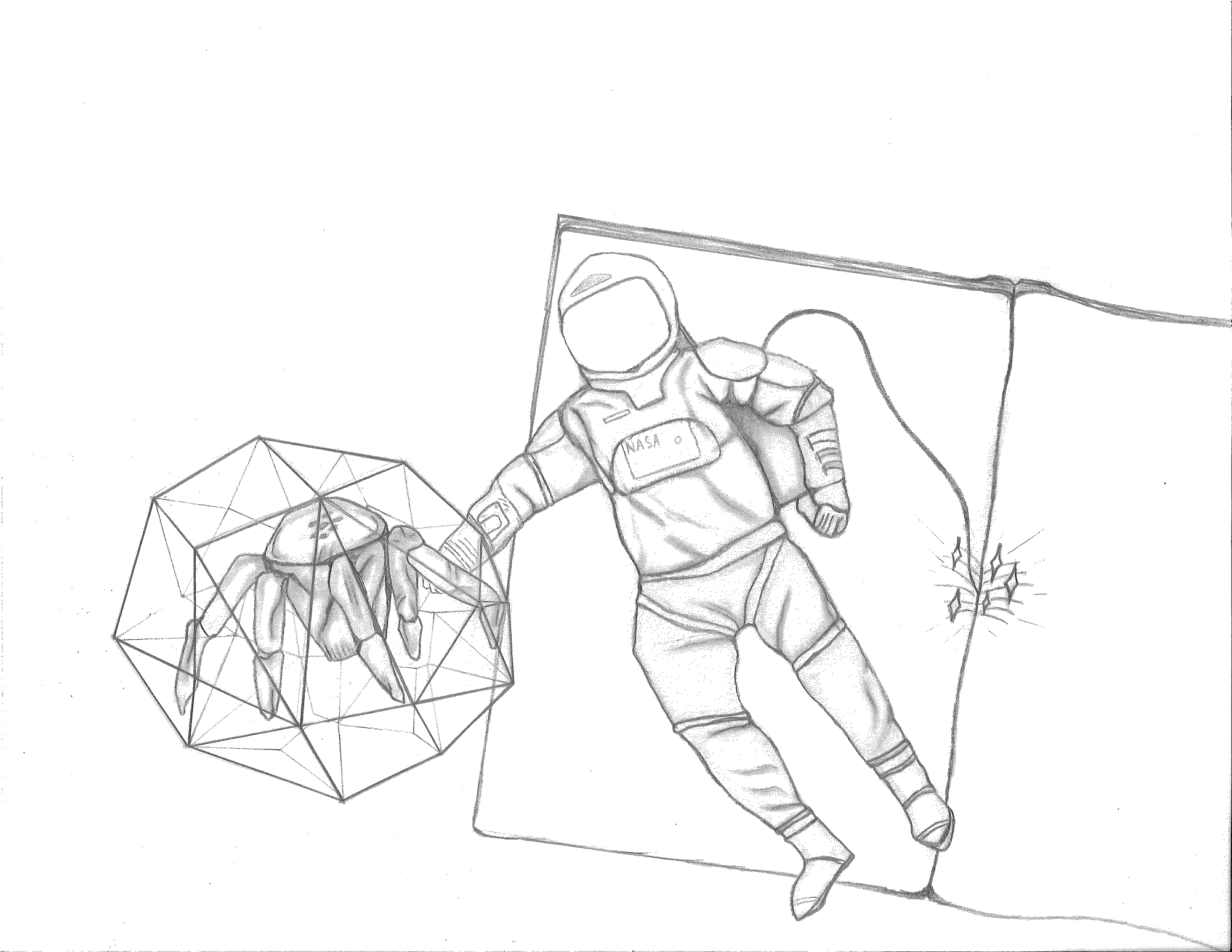
The sci-fi novel follows Dr. Ryland Grace, a scientist who wakes up with amnesia aboard a spacecraft. As his memories gradually return, he realizes he is on a mission to research how to stop an energy-eating organism from consuming the sun’s energy. Along the way, he receives unexpected extraterrestrial assistance and works to send his findings back to Earth to save humanity.
Science fiction can be a challenging read, but it can be equally, if not more entertaining and easier to follow in video form. Producers made adjustments to the film to keep a wide audience engaged while still staying true to the relationships and overall narrative. One of the most noticeable differences is how the movie simplifies many of the detailed scientific explanations. The novel dives into physics problems and the biology of alien beings, while the film focuses more on visual storytelling and character interactions. By removing the complexity, viewers can appreciate the story without being confused.
Furthermore, seeing the movie leaves little room for misinterpretation. Gabrielle Omlor ‘29 notes how “if you do not know what they mean by the ‘black dots’ or the ‘patrovaline,’ the visuals aid in understanding.” The film’s imagery allows the audience to follow the plot without needing to grasp every scientific term; simplifying the scientific processes allows for a shorter, more emotionally filled story.
Weir’s humor is what gives Project Hail Mary its wholesome charm. While his characters encounter problems in space, he makes sure to finish the punchlines. Weir’s comedic tone is translated from the book into the movie. While most of the jokes in the book are presented through inner thinking, humor is conveyed through dialogue.
Many emotional stories have lovable companions, and Project Hail Mary is not short of one. Rocky, the beloved rock-like alien that Dr. Grace meets during his mission, provides help for the hero while acting as comic relief. His bad English grammar and little knowledge of human culture unknowingly make him a character that audiences adore, and the movie only emphasizes his humor.
Margaret Morrison ‘29 mentions, “Rocky’s character added a nice touch of comedy to the movie, and I feel like him and Dr. Grace having character development together was really important to the movie’s overall message.” Reading about their relationship is touching enough, but the friendship between Dr. Grace and Rocky in the film is unmatched. Audiences can see the struggles these characters face and how the mission brings them closer together.
Reading Project Hail Mary and then watching the film adaptation is a bit like comparing two versions of the same imagination. While reading, a clear mental image of the characters, setting, and events makes the story feel vivid. The film adaptation adds a layer of experience that a reader could not get just from the book by presenting a visual interpretation of the same elements. It becomes especially entertaining to see which moments align with images formed when reading and which are different. Ultimately, both the novel and film offer unique strengths, and experiencing them both provides a more complete and engaging understanding of the story.