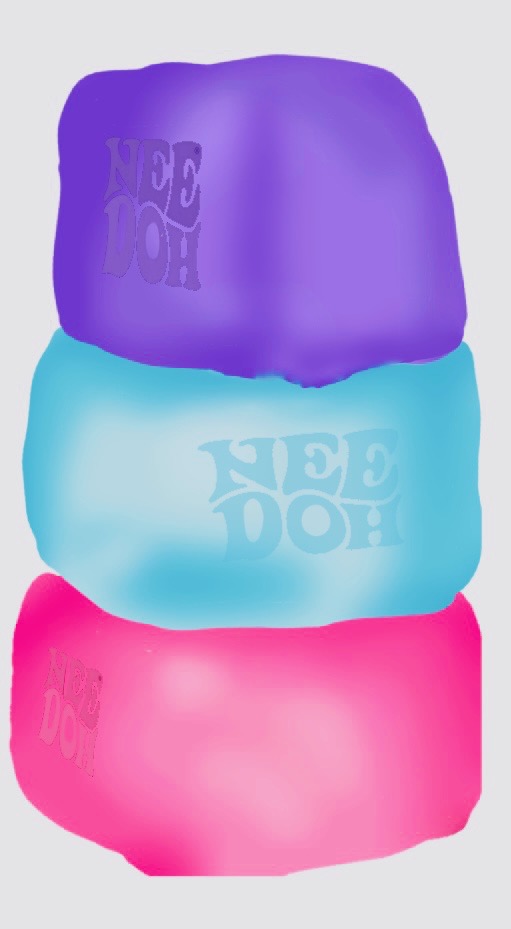
Trends have seemed to take over the world, and with that, the hallways of Bernards High School. For a long time, trends have come in the form of products, clothes, or even reusable water bottles, like Stanley’s. Recently, a new craze has flourished– needohs. With stress balls being passed around classrooms and teenagers visiting toy stores after school, it has become clear that this new trend is different from previous ones.
In the past, many trends have revolved around certain brands and specific products, showing signs of materialism. Materialism seems to be a trap that affects many kids, but especially teenage girls. Expensive brands like Lululemon or Stanley’s feed into this and profit from it.
Erin Dougherty ‘29 explains, “[Materialism] heavily influences [teenage girls], and it makes you feel like you’ll be more fulfilled or happier if you buy items.”
Materialism baits many girls across the internet to chase a fictional fulfillment that supposedly comes with owning the products. Items such as Stanley cups average around forty to fifty dollars, beauty products can range from thirty to sixty dollars, while stress balls are normally under ten dollars. It is true that stress balls, like all trends, exhibit signs of materialism as many people buy them because they see people with them or online; however, they come free from the high price tag and with a new feel.
Olivia Hamada ‘29 says, “The fidget is meant to release stress and have a sense of enjoyment, and I think that the vibe that people take away when playing with them is exactly that.”
Stress balls are toys designed to relieve anxiety, and for many students, they do just that. Furthermore, some products, such as water bottles, can not be shared, but stress balls can and usually are. Students with stress balls often find no problem sharing them with peers simply because there is no reason not to. Aspects like this show how this rising trend, unlike past ones, lacks toxicity and demonstrates how materialism does not need to be destructive.
With trends all around the school, they inevitably find their way into classrooms, which runs the risk of bringing in distractions. With the fidgets in students’ hands and being passed across rooms during lessons, they have the ability to disturb classrooms in a way that Stanley’s can not. However, just because fidgets can be a distraction, it does not mean they are. In fact, all trends can be distracting; however, it is the students who control their disturbance, not the product.
Mr. Kaufman, math teacher at BHS, observes, “Sometimes [stress balls] can be a distraction when everyone wants to try, but overall I think usually it can help focus, but it depends on the student.”
Yes, they can be a distraction, but not because of the product, but because of the student. Overall, the presence of stress balls in a classroom does not cause more distraction than anything else in the classroom, and despite the small disturbance, they do something Stanleys can not; they help kids across classrooms focus.
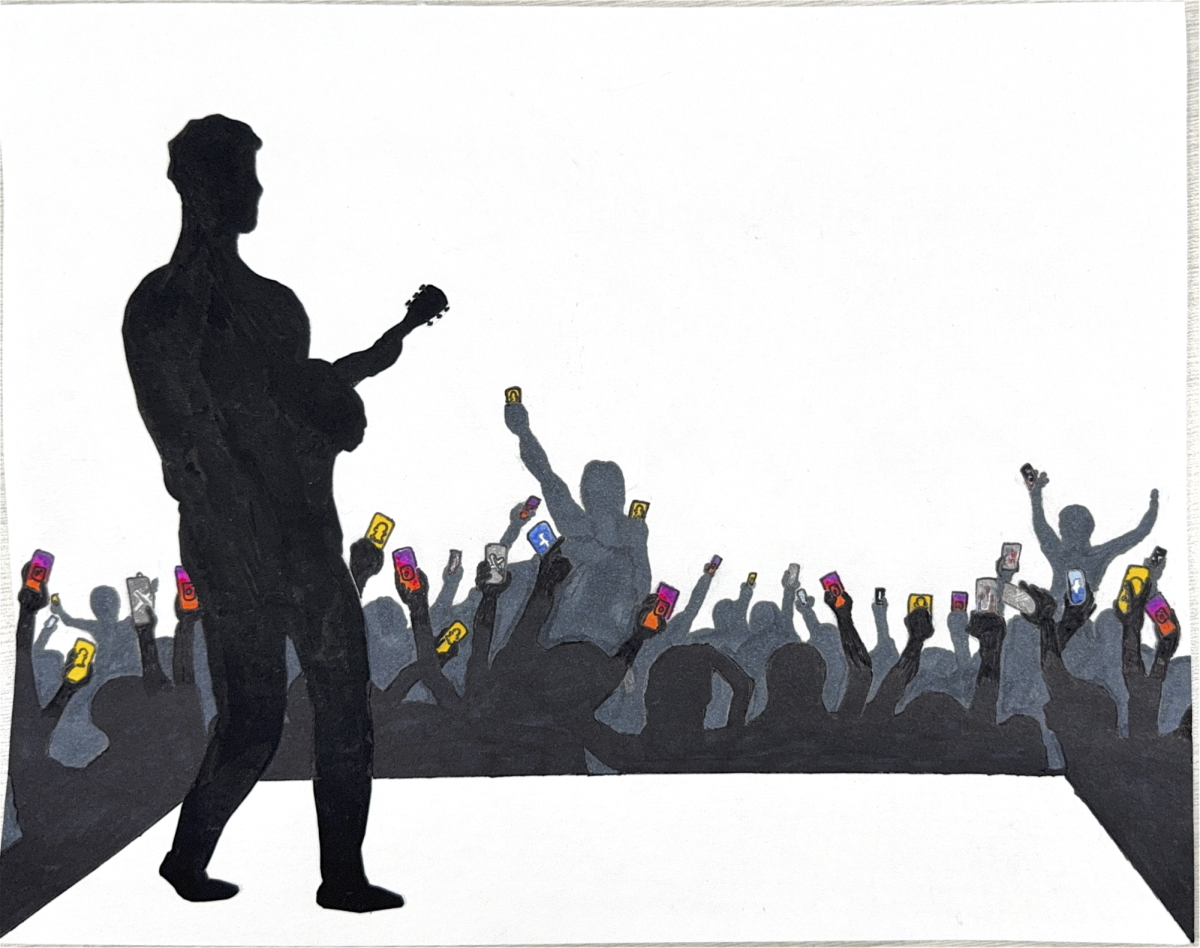
Trends continue to take over, and if media consumption continues as it is, this is not going to change. Stress balls, differing from past viral products, show how something does not need to follow a certain guideline to become trendy; the only thing that makes them take off is people supporting them. A single company or group does not control what spreads to people; it is the people themselves buying into it. As social media expands its influence, people must use their power to think and make the right things viral.